
Could participating in a GLP-1 clinical trial open the door to innovative treatments that are shaping the future of metabolic health? Researchers are studying new medications and expanded uses for existing GLP-1 therapies to improve weight management, blood sugar control, cardiovascular health, and other chronic conditions. For eligible participants, a clinical trial may provide access to emerging therapies while contributing to research that could influence future standards of care.
What GLP-1 Trials Are Studying
GLP-1 receptor agonists imitate the effects of glucagon-like peptide-1, a hormone involved in blood sugar regulation, appetite, and food intake. Some newer medications also act on related receptors, including GIP or glucagon receptors. These combination drugs may be described as dual or triple agonists rather than traditional GLP-1 medications.
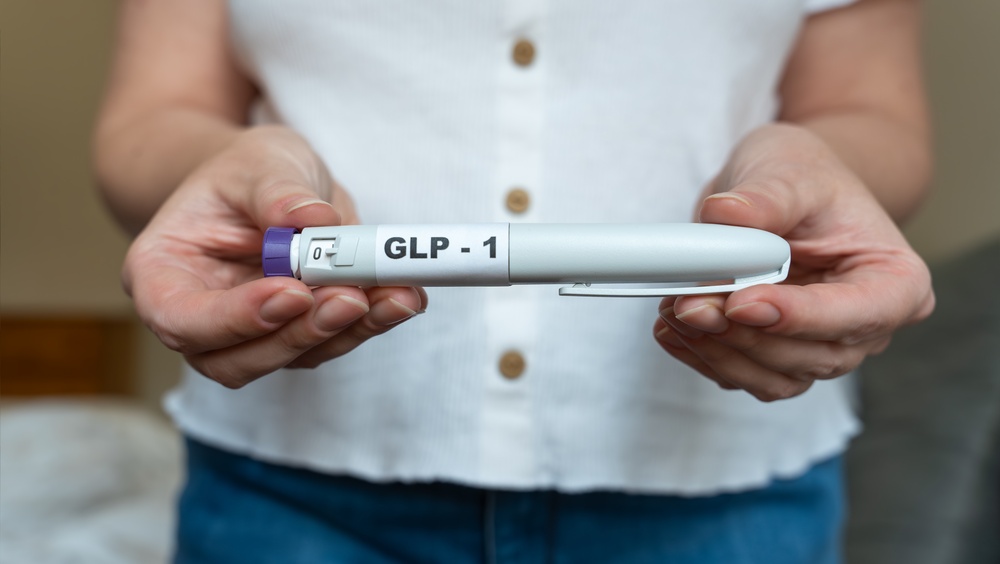
Current GLP-1 clinical trials are not limited to determining how much weight participants lose. Researchers may examine changes in blood sugar, cardiovascular events, muscle mass, physical function, sleep apnea symptoms, liver health, kidney outcomes, or the ability to maintain weight after treatment ends. Other studies are testing oral medications that could provide an alternative to weekly injections.
The study’s primary outcome matters because it reveals what researchers are actually trying to prove. A trial focused on heart attack and stroke risk may track participants much longer than one designed to measure weight change over 28 weeks.
How Trial Phases Affect Your Experience
Early-phase studies generally involve more uncertainty because researchers may still be determining the safest dose, common side effects, or how the body processes a medication. These studies may enroll fewer people and require frequent blood tests, examinations, or clinic visits.
Phase 2 trials usually examine whether the treatment produces the intended effect while continuing to monitor safety. Phase 3 trials typically involve larger groups and compare the treatment with a placebo or an established therapy. Some current GLP-1 studies last 76 to 78 weeks, meaning participation can become a significant long-term commitment rather than a brief treatment experiment.
A later-phase trial may offer more information about the medication, but it does not eliminate risk. The specific drug, dose, population, and treatment schedule may still differ from approved uses.
Eligibility Depends On More Than Body Weight
A study may require a particular body mass index, medical diagnosis, laboratory result, medication history, or weight-related condition. Some obesity trials exclude people with type 2 diabetes, while others recruit only participants who have it. Age limits, previous weight-loss surgery, pregnancy plans, cardiovascular history, kidney function, and current medications can also affect eligibility.
Screening may involve medical records, bloodwork, an electrocardiogram, physical measurements, and a detailed health interview. Passing an initial telephone screening does not guarantee enrollment.
Be fully transparent about your health history. Leaving out a medication or diagnosis could expose you to an avoidable interaction and make the study’s results less reliable.
Approved Treatment Versus Trial Participation
Joining a clinical trial is different from receiving a standard prescription. An approved GLP-1 medication has established labeling for particular conditions, doses, and patient groups. A trial may test a new drug, a different dose, a new delivery method, or an unapproved use of an existing medication.
Randomized studies may assign you to the investigational treatment, a different dose, an established therapy, or a placebo. In a blinded trial, neither you nor the clinical team working directly with you may know which treatment you receive.
This uncertainty may be acceptable when your main goal is contributing to research or accessing a therapy that is otherwise unavailable. It may be less appropriate when you need predictable treatment for uncontrolled blood sugar or another condition requiring immediate management.
Side Effects And Safety Monitoring
Digestive effects are among the most familiar concerns associated with GLP-1 medications. Nausea, vomiting, diarrhea, constipation, reduced appetite, and abdominal discomfort may occur, particularly as the dose increases. A trial protocol should explain dose escalation, what symptoms require prompt contact, and when treatment may be paused.
Your medical history may create additional concerns. Certain approved weight-management medications carry restrictions involving medullary thyroid carcinoma or multiple endocrine neoplasia syndrome type 2. Researchers may also review pancreatitis, gallbladder problems, dehydration, kidney function, and other relevant risks.
Safety monitoring is valuable, but it can be demanding. Frequent laboratory testing and symptom reporting are part of the research process, not optional services that can be skipped when inconvenient.
Time, Travel, And Financial Commitments
The study medication and trial-specific procedures are generally provided without charge, but that does not mean participation has no personal cost. You may need to take time away from work, arrange transportation, track meals or symptoms, complete electronic questionnaires, and attend appointments during fixed windows.
Compensation varies by study and may cover time, transportation, parking, or other participation expenses. It should not be treated as payment for a guaranteed health benefit. Ask whether payments are issued per visit, after specific milestones, or only after completing the study.
Also determine what happens when participation ends. Continued access to the medication is not guaranteed, and obtaining an approved alternative afterward may depend on insurance coverage, availability, and your clinician’s recommendations.
Questions That Reveal The Real Tradeoffs
Before signing the consent form, ask how assignment works, how long participation lasts, and how many in-person visits are required. Request a clear explanation of which expenses are covered and which medical problems would be billed as ordinary care rather than research-related care.
You should also know who provides help after hours, whether your regular clinician will receive updates, and what happens if the medication causes unacceptable side effects. Ask whether researchers will share individual laboratory findings and whether you will eventually learn which treatment you received.
The informed-consent document should provide these details, but discussing them directly can reveal how the study operates in practice.
Treat Participation As A Long-Term Commitment
A GLP-1 clinical trial can provide structured medical monitoring and an opportunity to contribute to treatments that may eventually benefit many people. It cannot promise weight loss, better health, assignment to the active medication, or continued access after the study.
Focus on the protocol rather than the reputation of a drug class. The most useful study is one whose purpose, risks, schedule, and follow-up requirements align with your medical needs and the level of uncertainty you are prepared to accept. Careful review before enrollment can help you enter the trial with realistic expectations and remain engaged throughout the research period.