
Are you wondering whether participating in a diabetes clinical trial could give you access to new treatments while contributing to medical research? Clinical studies can offer opportunities that extend beyond standard care, but they also involve important commitments and uncertainties. Understanding how clinical studies work can help you evaluate whether participation aligns with your health goals, treatment preferences, and lifestyle.
Why Diabetes Clinical Trials Matter
Diabetes research continues to evolve as scientists seek more effective ways to manage blood sugar, reduce complications, and improve quality of life. Every diabetes trial study follows a structured process designed to answer a specific medical question, whether researchers are evaluating a new medication, testing a monitoring device, or comparing different treatment strategies.
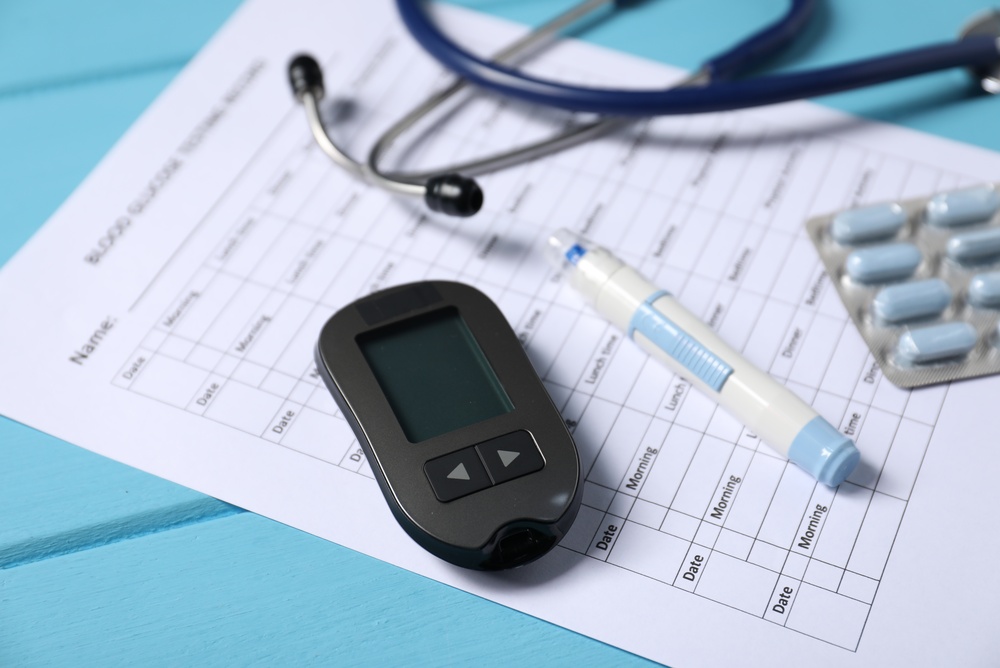
Some studies focus on improving existing therapies, while others investigate entirely new approaches. Research has contributed to major advances, including continuous glucose monitoring, insulin pump technology, and medications that help control blood sugar while supporting weight management.
Although many people hear about diabetes cure trials, it is important to understand that most current research aims to improve treatment rather than provide a permanent cure. Studies exploring immune therapies, beta-cell replacement, and regenerative medicine remain active areas of investigation, but these approaches are still being evaluated for long-term safety and effectiveness.
Understanding Study Protocols Before Enrolling
Every clinical trial operates according to a carefully designed research plan known as a diabetes study protocol. This document outlines exactly how the study will be conducted, including participant eligibility, treatment schedules, safety monitoring, testing procedures, and how results will be measured.
A type 2 diabetes clinical trial protocol may differ significantly depending on the study's objectives. One trial might compare two approved medications, while another evaluates an experimental therapy alongside standard treatment.
Trial Details
- Eligibility requirements
- Visit schedule
- Medication or treatment plan
- Laboratory testing
- Safety monitoring procedures
These details help ensure that every participant receives consistent care throughout the study while allowing researchers to collect reliable data. Reviewing the protocol carefully can also help you understand the time commitment before agreeing to participate.
Comparing Different Types of Diabetes Research
Not every study offers the same experience. Understanding the differences can help you determine which opportunities deserve closer attention.
Some trials evaluate medications that have already shown promise in earlier phases of research. Others investigate medical devices, digital health tools, nutrition programs, or lifestyle interventions designed to improve diabetes management.
For example, a study involving a one a month diabetes injection may evaluate whether less frequent dosing improves medication adherence compared with weekly or daily treatments. While fewer injections may sound appealing, researchers must also determine whether monthly treatment maintains consistent glucose control and produces acceptable safety outcomes over time.
Other studies may compare combinations of medications instead of introducing entirely new therapies. In these cases, researchers want to determine whether adjusting treatment strategies produces better long-term outcomes than current standards of care.
Eligibility Requirements and Screening
Every study has inclusion and exclusion criteria that determine who can participate. These requirements are not intended to limit access unnecessarily—they help researchers answer specific scientific questions while protecting participant safety.
Eligibility Factors
- Type of diabetes diagnosis
- Age range
- Current medications
- Recent A1C results
- Other medical conditions
A person with newly diagnosed type 2 diabetes may qualify for different studies than someone who has managed the condition for many years. Likewise, kidney disease, cardiovascular conditions, or previous participation in another clinical trial may affect eligibility.
The screening process often includes medical history reviews, physical examinations, laboratory testing, and discussions with the research team. This evaluation helps determine whether participation is appropriate before any treatment begins.
Understanding Potential Benefits and Limitations
Participating in research offers potential advantages, but every opportunity should be evaluated realistically.
Some participants receive access to promising treatments before they become widely available. Others benefit from frequent medical monitoring, detailed laboratory testing, and regular consultations with specialists involved in diabetes care.
At the same time, experimental treatments may not prove more effective than current therapies. Some participants receive standard treatment or placebo, depending on the study design, and unexpected side effects remain possible despite careful safety monitoring.
Clinical trials are designed to answer research questions—not guarantee better outcomes for individual participants. Understanding this distinction helps establish realistic expectations before enrollment.
Costs, Compensation, and Time Commitment
Financial considerations vary widely between studies.
Many diabetes clinical trials provide study medications, laboratory testing, and research-related medical visits at no cost to participants. Some also reimburse travel expenses, parking, meals, or time spent attending appointments. However, routine medical care unrelated to the study may remain your responsibility depending on insurance coverage and the study design.
Time commitments deserve equal attention. Some studies require monthly appointments, while others involve weekly visits during the early stages before becoming less frequent. Certain protocols also require home glucose monitoring, digital reporting, or wearable devices that collect health information continuously.
Understanding these practical expectations can prevent surprises after enrollment.
Questions Worth Discussing With the Research Team
Meaningful conversations with study coordinators often reveal details that are not obvious from recruitment materials alone.
Discussion Topics
- Primary goals of the study
- Expected visit frequency
- Possible side effects
- Available treatment alternatives
- Follow-up after the study ends
Clear answers provide valuable insight into how the research fits your medical needs, work schedule, family responsibilities, and long-term treatment plans. They also help establish confidence that the research team communicates openly and prioritizes participant safety.
Making An Informed Decision About Participation
Joining a diabetes clinical trial is a personal decision that deserves thoughtful evaluation rather than a quick response to a promising headline. Reviewing the diabetes study protocol, understanding how a type 2 diabetes clinical trial protocol guides participant care, and asking detailed questions about commitments and expectations can help you assess whether a diabetes trial study aligns with your circumstances. While diabetes cure trials and emerging treatments such as a one a month diabetes injection continue to generate excitement, the greatest value comes from choosing research opportunities that match your health priorities, comfort level, and long-term care plan.